
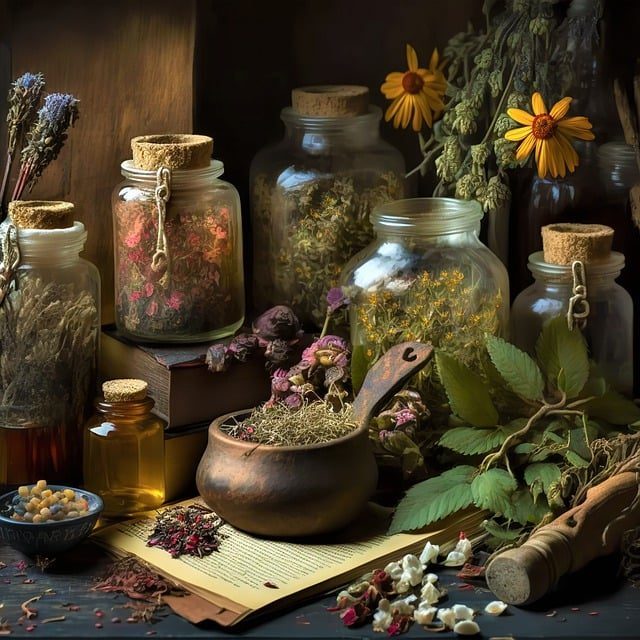
It may seem easier to reach for over-the-counter medications when dealing with common ailments, but nature offers us a wealth of herbal remedies that have been used for centuries to promote healing and wellness. Understanding the properties of these herbs can empower us to manage everyday health issues naturally and holistically. Let’s explore some common herbs and their traditional uses for healing.
1. Chamomile (Matricaria chamomilla)
Uses: Chamomile is well-known for its calming effects and is commonly used to promote relaxation, alleviate anxiety, and aid sleep. It also has anti-inflammatory properties, making it helpful for soothing digestive issues, such as indigestion and bloating.
How to Use: Brew chamomile tea by steeping dried chamomile flowers in hot water for 5-10 minutes. Drink before bedtime to enhance sleep quality.
2. Peppermint (Mentha piperita)
Uses: Peppermint is a versatile herb that can alleviate headaches, improve digestion, and relieve symptoms of irritable bowel syndrome (IBS). Its cooling effect makes it an excellent remedy for nausea and muscle tension.
How to Use: Enjoy peppermint tea or inhale the aroma of peppermint essential oil for headache relief. A few drops of diluted peppermint oil can also be massaged onto the temples.
3. Ginger (Zingiber officinale)
Uses: Ginger is a powerful anti-inflammatory and antioxidant herb that is commonly used to combat nausea, especially during pregnancy or motion sickness. It also aids digestion and can relieve cold and flu symptoms due to its warming properties.
How to Use: Make ginger tea by steeping fresh ginger slices in hot water, or incorporate ginger into your cooking for a flavorful health boost.
4. Echinacea (Echinacea purpurea)
Uses: Echinacea is widely regarded for boosting the immune system and helping to prevent and treat colds and infections. It can also reduce inflammation and speed up the healing process.
How to Use: Echinacea is available in various forms, including teas, tinctures, and capsules. Start taking Echinacea at the first sign of illness for optimal results.
5. Turmeric (Curcuma longa)
Uses: Known for its anti-inflammatory and antioxidant properties, turmeric is often used to relieve pain, reduce inflammation, and support joint health. It may also have a positive impact on mood and overall cognitive function.
How to Use: Incorporate turmeric into your diet through curries, soups, or smoothies. For added benefits, combine turmeric with black pepper, which enhances its absorption.
6. Lavender (Lavandula angustifolia)
Uses: Lavender is famous for its soothing aroma and is commonly used to alleviate stress, anxiety, and insomnia. Its antiseptic properties also make it helpful for minor burns and cuts.
How to Use: Use lavender essential oil in a diffuser, add a few drops to your bath, or apply diluted oil to pulse points for relaxation. Lavender sachets can also be placed under pillows to promote restful sleep.
7. Garlic (Allium sativum)
Uses: Garlic is renowned for its immune-boosting properties and its ability to lower blood pressure and cholesterol levels. Its antimicrobial properties also help fight infections and improve heart health.
How to Use: Incorporate raw or cooked garlic into your meals. Garlic supplements are also available for those who prefer not to consume it raw.
8. Thyme (Thymus vulgaris)
Uses: Thyme has antiseptic and antibacterial properties, making it an excellent choice for respiratory issues. It can help relieve coughs, bronchitis, and sore throats.
How to Use: Brew thyme tea by steeping fresh or dried thyme leaves in hot water. It can also be added to soups and stews for both flavor and health benefits.
Conclusion
Herbal remedies offer a natural approach to managing everyday ailments, allowing us to tap into the healing power of nature. However, it's important to remember that while herbs can be beneficial, they should complement—not replace—conventional medical treatment when necessary. Always consult with a healthcare provider before starting any new herbal regimen, especially if you have underlying health conditions or are taking medication.
As you explore the world of herbal remedies, you'll discover not only effective solutions for everyday health issues but also a deeper connection to nature’s gifts. Embracing these natural remedies can enhance your wellness journey, offering holistic support for both body and mind.